How Can JEWSHIN Packaging Machinery Support High-Speed Packaging Needs?
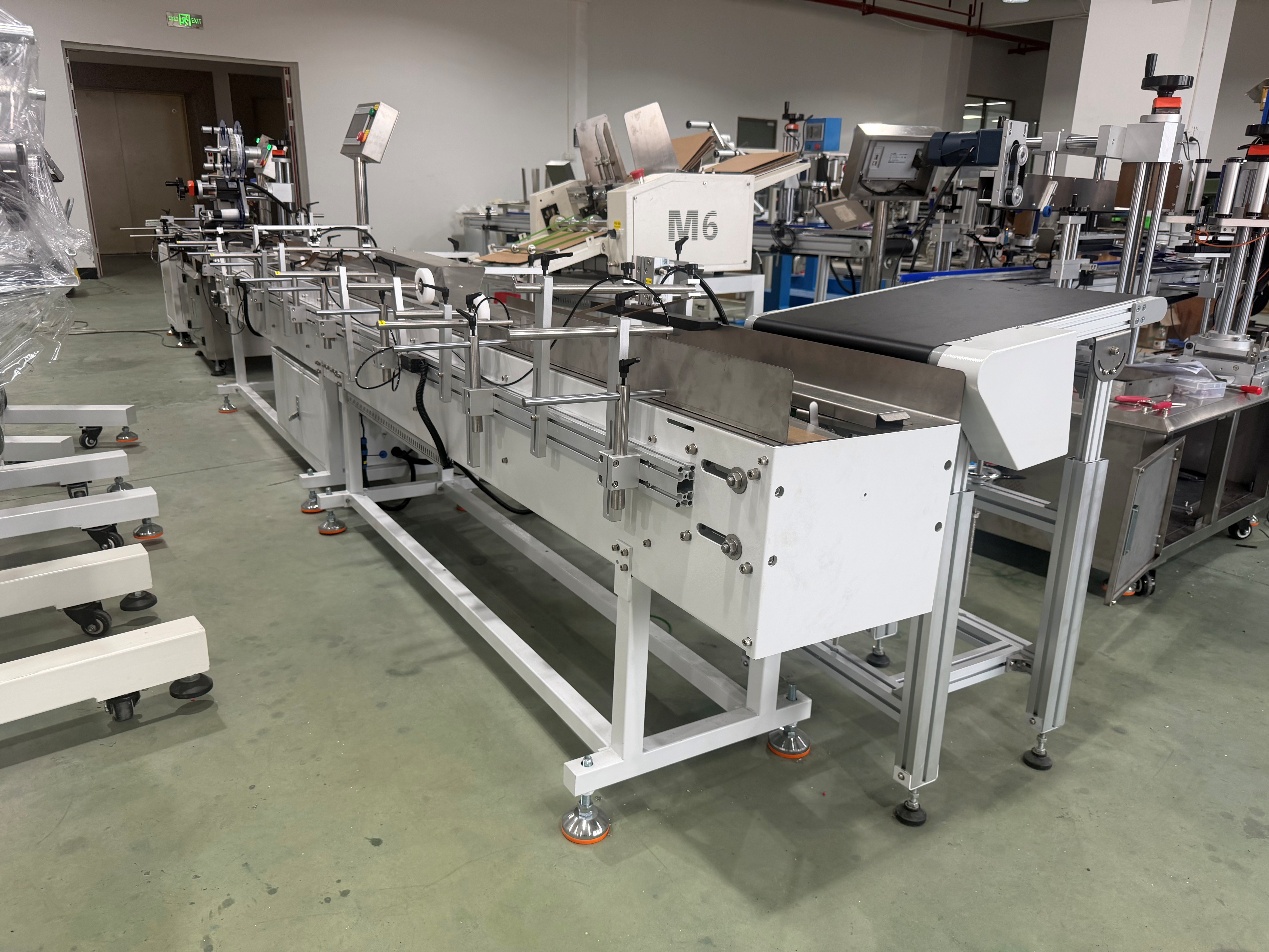
High-speed packaging requires more than faster machine movement. JEWSHIN Packaging Machinery supports high-speed production with automated systems, precision control, and flexible configurations designed for industries requiring stable output. By combining accurate feeding, sealing control, and efficient operation, packaging lines can achieve higher productivity while maintaining package quality. Modern systems can reach hundreds of packages per minute, helping manufacturers reduce manual work and improve production consistency.
In 2025, manufacturers in food, beverage, pharmaceutical, and consumer goods sectors continued investing in automated packaging equipment because production efficiency directly affects delivery capacity and operating costs. A packaging line running at 120 packs per minute can process more than 57,000 units during an 8-hour shift, making machine stability as important as speed.
High-speed packaging starts with machine structure. When equipment operates continuously for long periods, every mechanical movement must remain accurate. Small delays in film feeding, product positioning, or sealing can reduce overall production output.
JEWSHIN Packaging Machinery designs packaging systems with coordinated mechanical components, allowing different sections of the machine to work together smoothly. The equipment structure focuses on stable movement, accurate timing, and reduced adjustment requirements during daily operation.
| Packaging Requirement | Machine Performance Focus |
|---|---|
| High production speed | Stable movement and synchronized operation |
| Product consistency | Accurate positioning and sealing |
| Long running time | Durable components and easy maintenance |
| Multiple package sizes | Flexible adjustment systems |
A high-speed packaging system must maintain quality while increasing output. Increasing machine speed without improving control accuracy may create more rejected packages and material waste.
For example, a packaging line producing 100 packages per minute with a 2% error rate may create 2,000 defective packages in a single 10-hour production period. Improving accuracy to 0.5% can significantly reduce wasted materials and unnecessary production stops.
Automation technology helps solve this issue by controlling important packaging processes with greater precision. Sensors, programmable controllers, and automatic adjustment systems allow machines to maintain stable operation even during long production cycles.
Modern packaging equipment often uses digital interfaces that allow operators to adjust speed, temperature, sealing time, and other parameters through a centralized control panel. This reduces setup time when changing products or packaging specifications.
Many factories have reduced manual adjustment requirements by 40%–60% after upgrading from traditional packaging equipment to automated systems. Faster setup allows manufacturers to handle more product types without extending production schedules.
Material handling is another important factor affecting high-speed packaging performance. Packaging materials must move smoothly through the machine without unnecessary tension changes or positioning errors.
For flexible packaging applications, unstable film feeding may cause sealing problems, incorrect cutting positions, or increased material consumption. Precision feeding systems help maintain consistent package appearance and reduce production interruptions.
JEWSHIN Packaging Machinery uses optimized feeding and sealing structures to support continuous packaging operations. Manufacturers can select different machine configurations according to package size, product characteristics, and production requirements.
| Production Area | Possible Improvement |
|---|---|
| Film feeding | More stable material movement |
| Sealing process | Better package protection |
| Cutting system | More accurate package separation |
| Control system | Faster parameter adjustment |
Different industries require different packaging solutions. Food manufacturers may need fast packaging with strong sealing performance, while pharmaceutical companies often require higher accuracy and cleaner operating conditions.
A flexible packaging machine allows companies to adjust production according to changing market requirements. Equipment that supports multiple package formats can help factories reduce the need for separate machines for every product type.
A manufacturer producing three package sizes on the same production line may reduce equipment changeover time by 30% or more when using a system designed for quick adjustment.
The ability to maintain production speed over long periods depends on machine reliability. High-speed equipment often operates for 16–24 hours per day in large manufacturing facilities, making maintenance efficiency important.
Well-designed packaging machinery provides easier access to components, simplified inspection procedures, and durable parts that support continuous operation. These features help factories reduce unexpected production interruptions.
If a packaging line stops for 45 minutes at a speed of 150 packages per minute, the production loss may exceed 6,700 packages. Reducing downtime through reliable machine design helps manufacturers maintain planned output levels.
Energy consumption is also becoming an important consideration for packaging equipment selection. Manufacturers are paying more attention to machines that can achieve higher output while using resources efficiently.
Newer packaging systems often include improved motors, optimized control systems, and better mechanical efficiency. These improvements can help reduce electricity consumption compared with older equipment models.
| Equipment Feature | Production Benefit |
|---|---|
| Servo control technology | More accurate movement control |
| Efficient motors | Lower energy use |
| Automatic monitoring | Faster problem identification |
| Modular design | Easier maintenance |
Packaging speed must also match product protection requirements. A machine that operates quickly but damages products or creates inconsistent packages cannot support long-term production goals.
For this reason, packaging manufacturers focus on balancing speed, accuracy, and package quality. The machine must complete each cycle within a short time while maintaining the same result from the first package to the last package.
In high-volume manufacturing, consistency across thousands of packages per day is often more important than achieving the highest possible machine speed.
JEWSHIN Packaging Machinery provides solutions for businesses looking to improve packaging efficiency through automation and precision engineering. More information about available packaging solutions can be found at JEWSHIN Packaging Machinery.
High-speed packaging systems are also becoming more flexible as companies introduce more product variations. Instead of producing one package format for years, many manufacturers now need equipment that can handle frequent product updates.
Machines with adjustable settings, quick format changes, and user-friendly controls allow factories to respond faster to new packaging requirements. This flexibility is especially useful for industries where product sizes and package designs change several times each year.
A packaging system that reduces format change time from 30 minutes to 10 minutes can provide additional production hours during a monthly schedule with multiple product changes.
The future of packaging equipment will continue moving toward higher automation levels, better resource efficiency, and improved operational control. Manufacturers selecting high-speed packaging machinery need systems that provide reliable performance throughout daily production.
JEWSHIN Packaging Machinery combines automated operation, precise mechanical design, and adaptable configurations to support companies requiring efficient packaging processes. With suitable equipment selection and proper maintenance, manufacturers can increase production capacity while maintaining stable package quality.